How to Improve Timing on Guitar
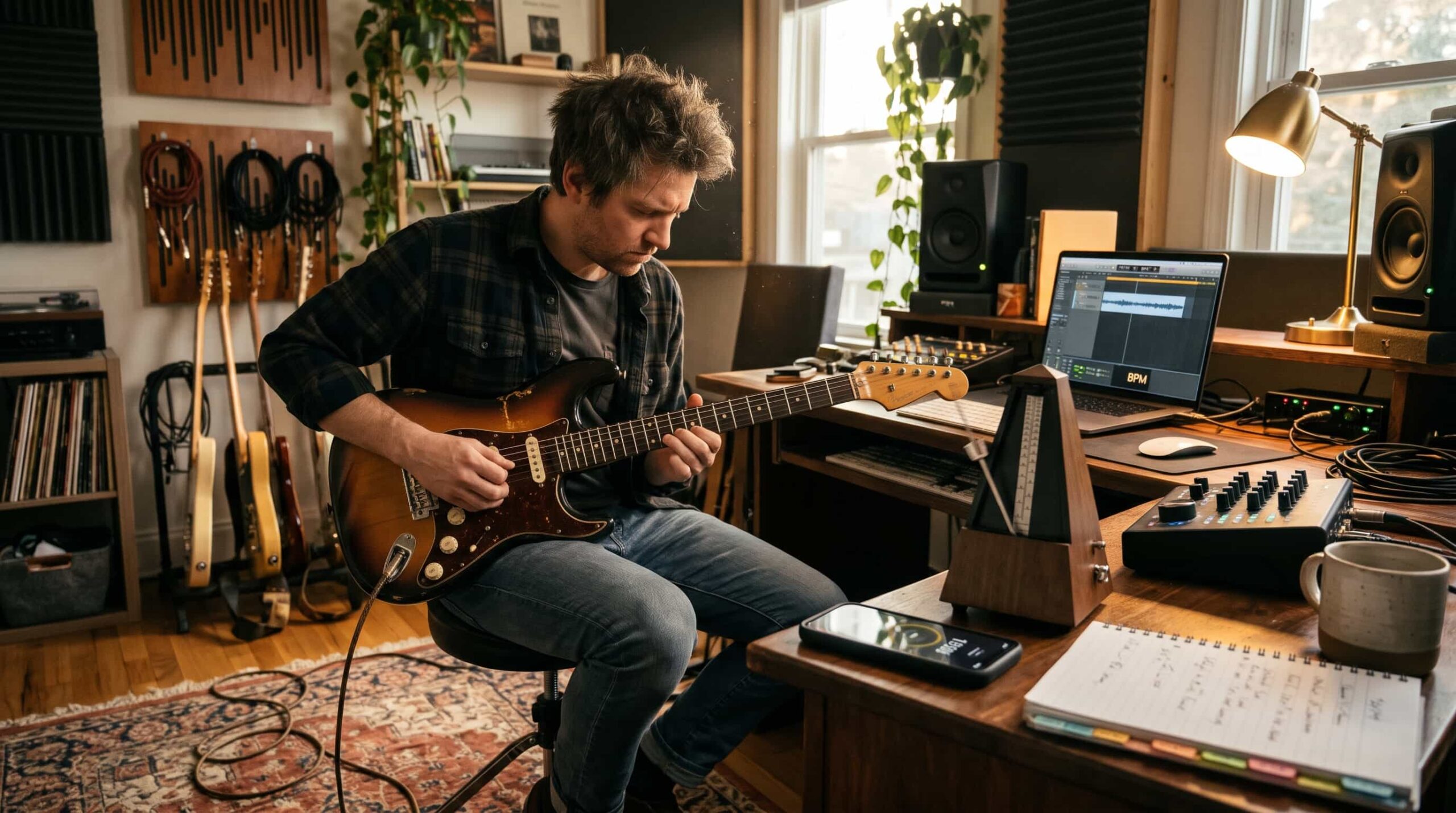
Struggling to stay in time on guitar? Learn practical ways to improve your timing using metronomes, subdivisions, drum grooves, recording and focused rhythm exercises.
Struggling to stay in time on guitar? Learn practical ways to improve your timing using metronomes, subdivisions, drum grooves, recording and focused rhythm exercises.
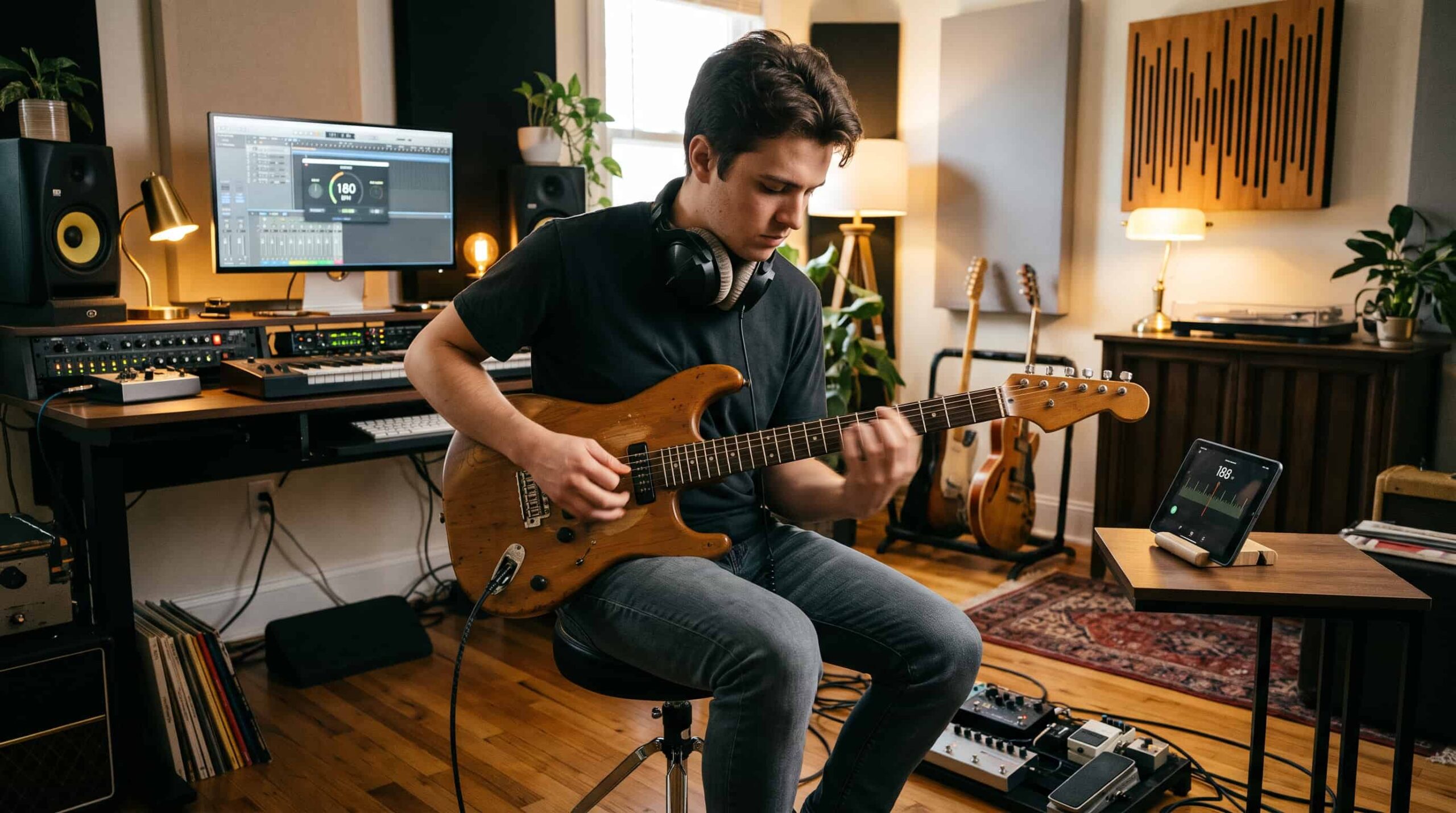
Want to play guitar faster without becoming sloppy? Learn how to build speed gradually while maintaining accuracy, synchronization, relaxation and control.

A drum machine can make guitar practice feel much closer to playing with a real drummer. Learn how to use grooves, BPM and different styles to improve timing, rhythm and technique.

How often does a guitar really need tuning? Learn when to check your tuning, why new strings and temperature matter, and when constant retuning may indicate a setup problem.
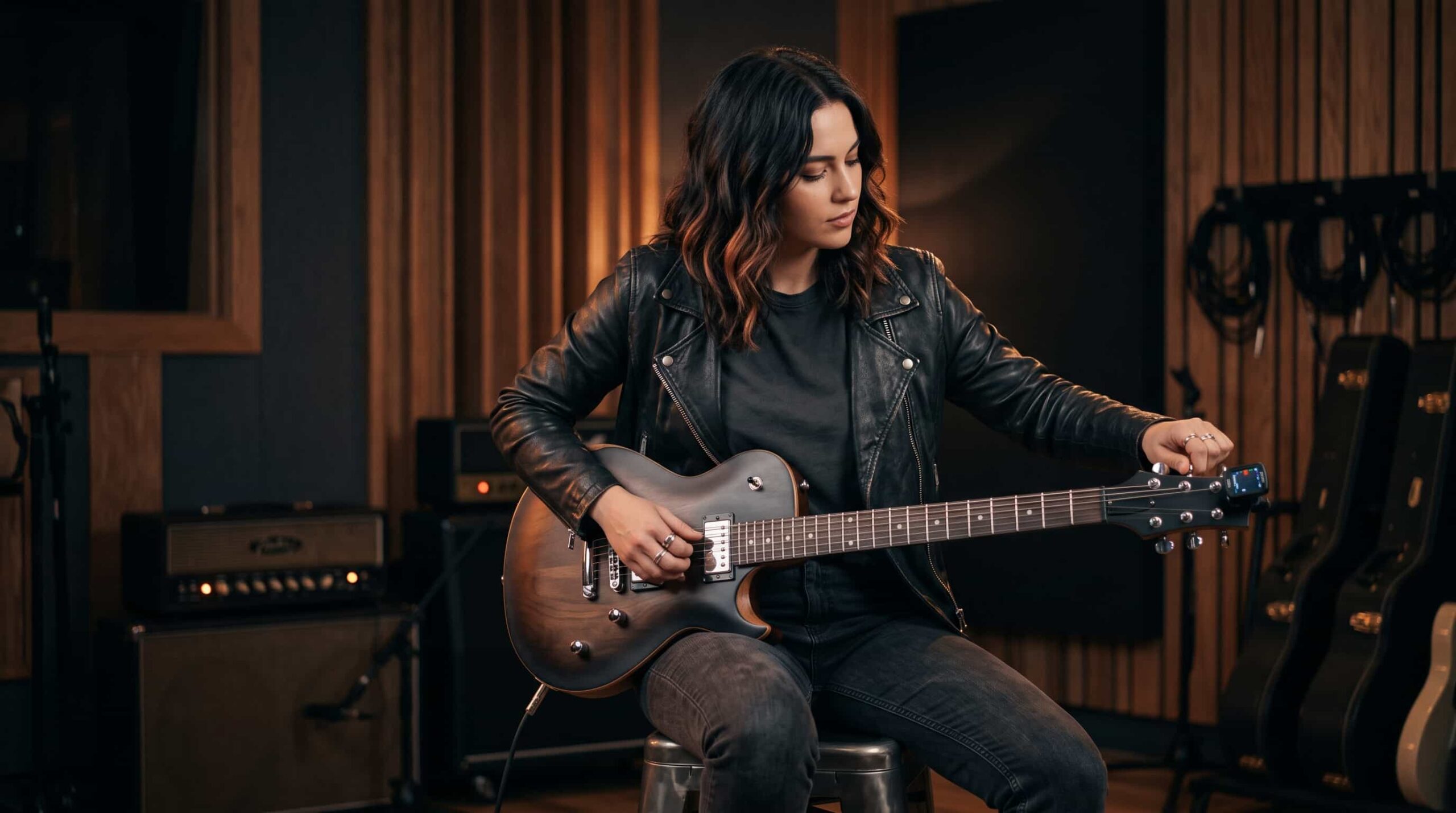
Drop D is one of the easiest alternate tunings to learn. Find out how to tune your guitar to D A D G B E, why it makes power chords easier and what changes when you use it.
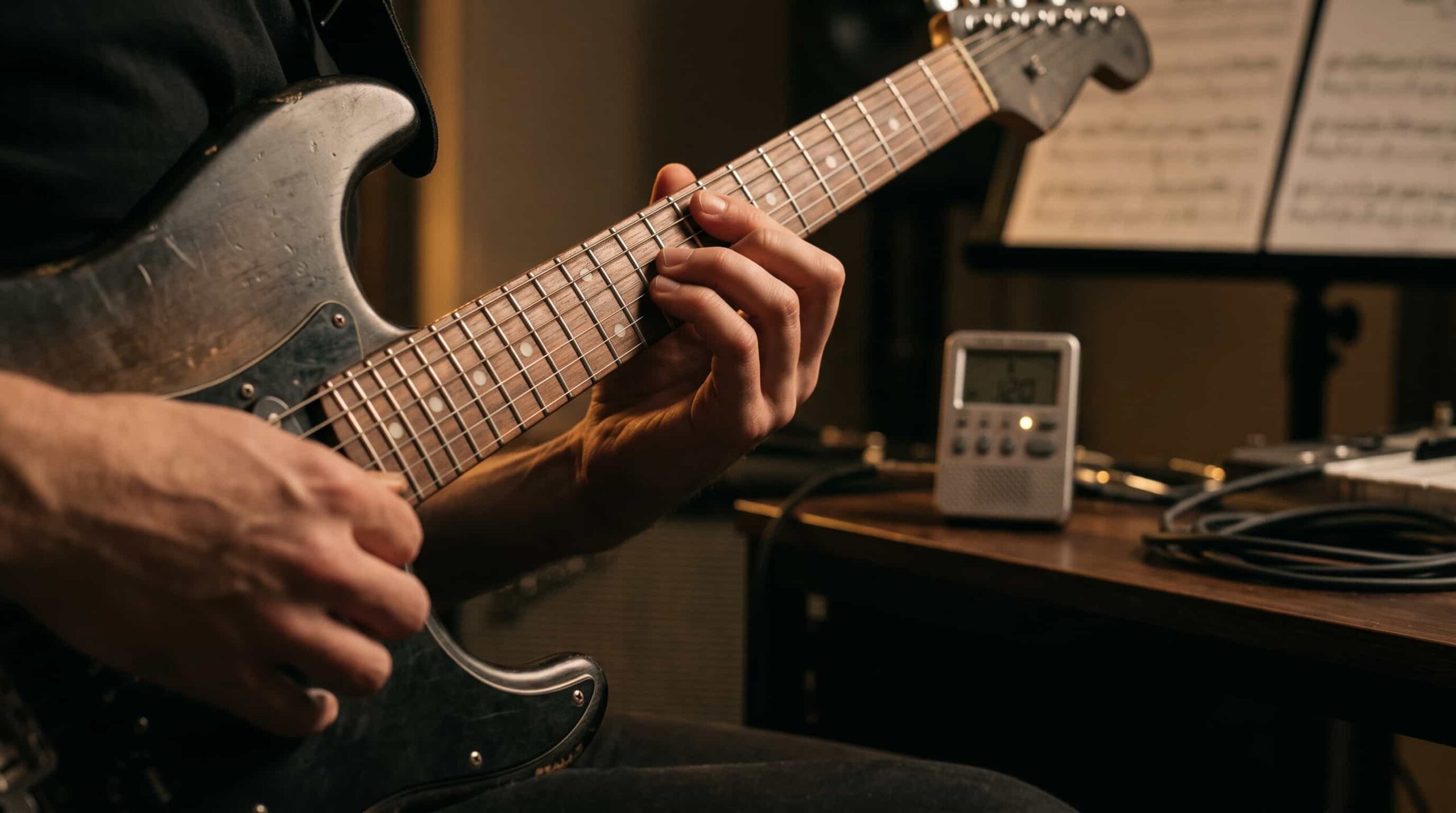
Not sure what BPM to use when practising guitar? Learn how to choose a useful tempo, increase speed safely and know when it is time to move faster.
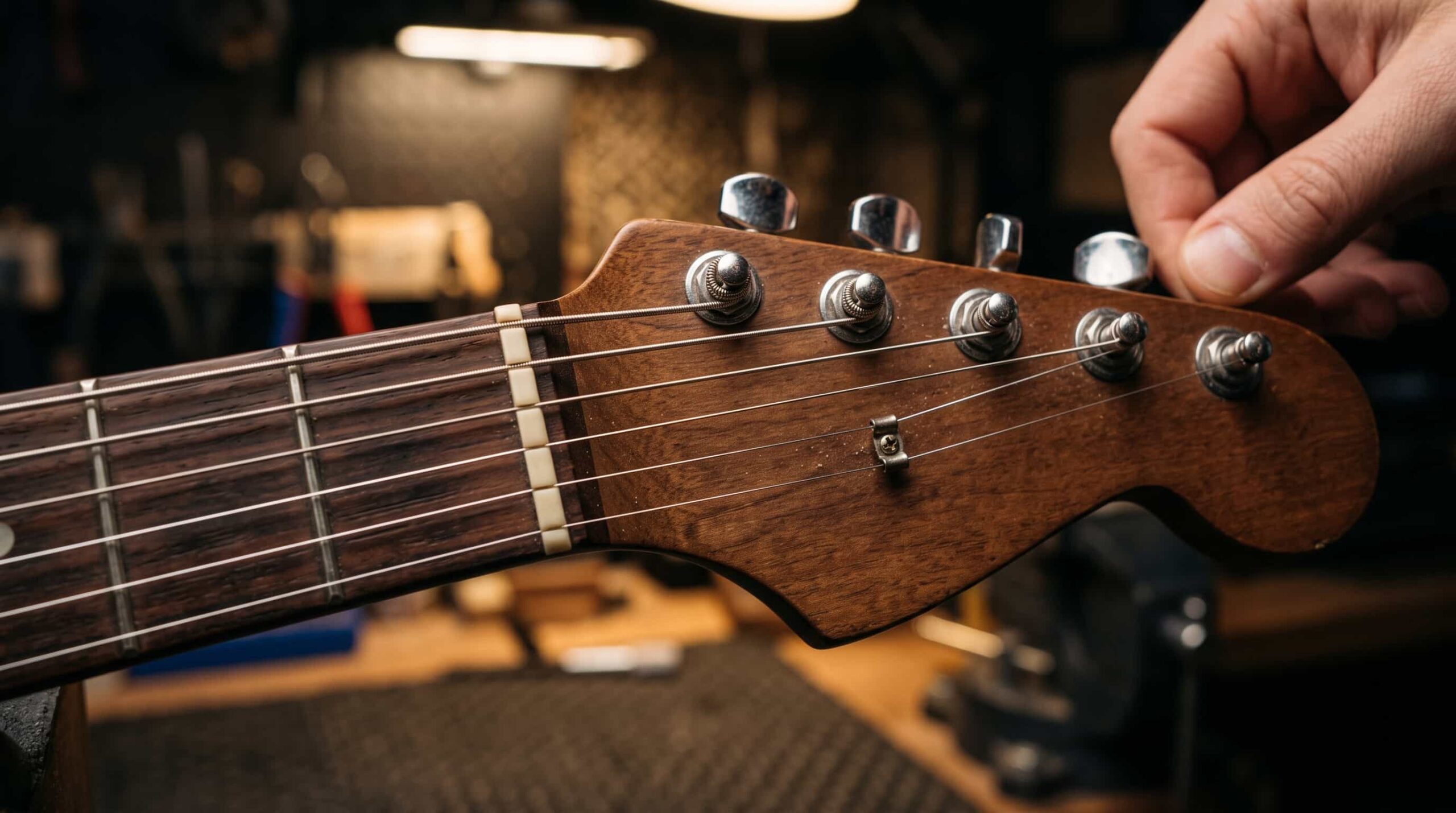
If your guitar keeps going out of tune, the cause may be simpler than you think. Learn how strings, the nut, tremolo, temperature and tuning technique can affect stability.

Greeny is more than a famous 1959 Les Paul. Discover how one extraordinary guitar passed from Peter Green to Gary Moore and eventually Kirk Hammett, carrying its unmistakable sound across generations.
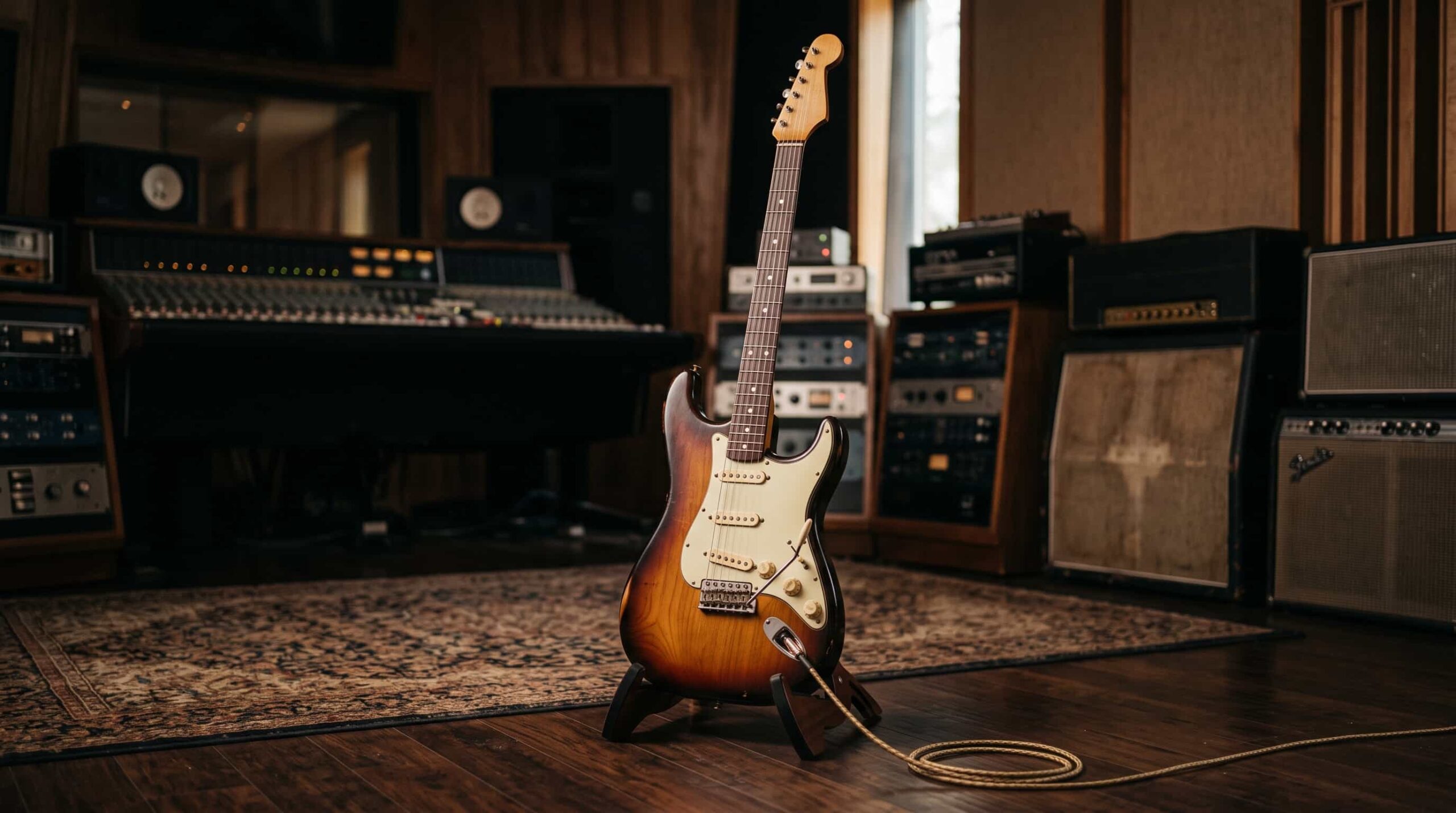
Discover why the Fender Stratocaster became one of the most influential electric guitar designs ever made, from its pickups and tremolo system to the players who made it legendary.
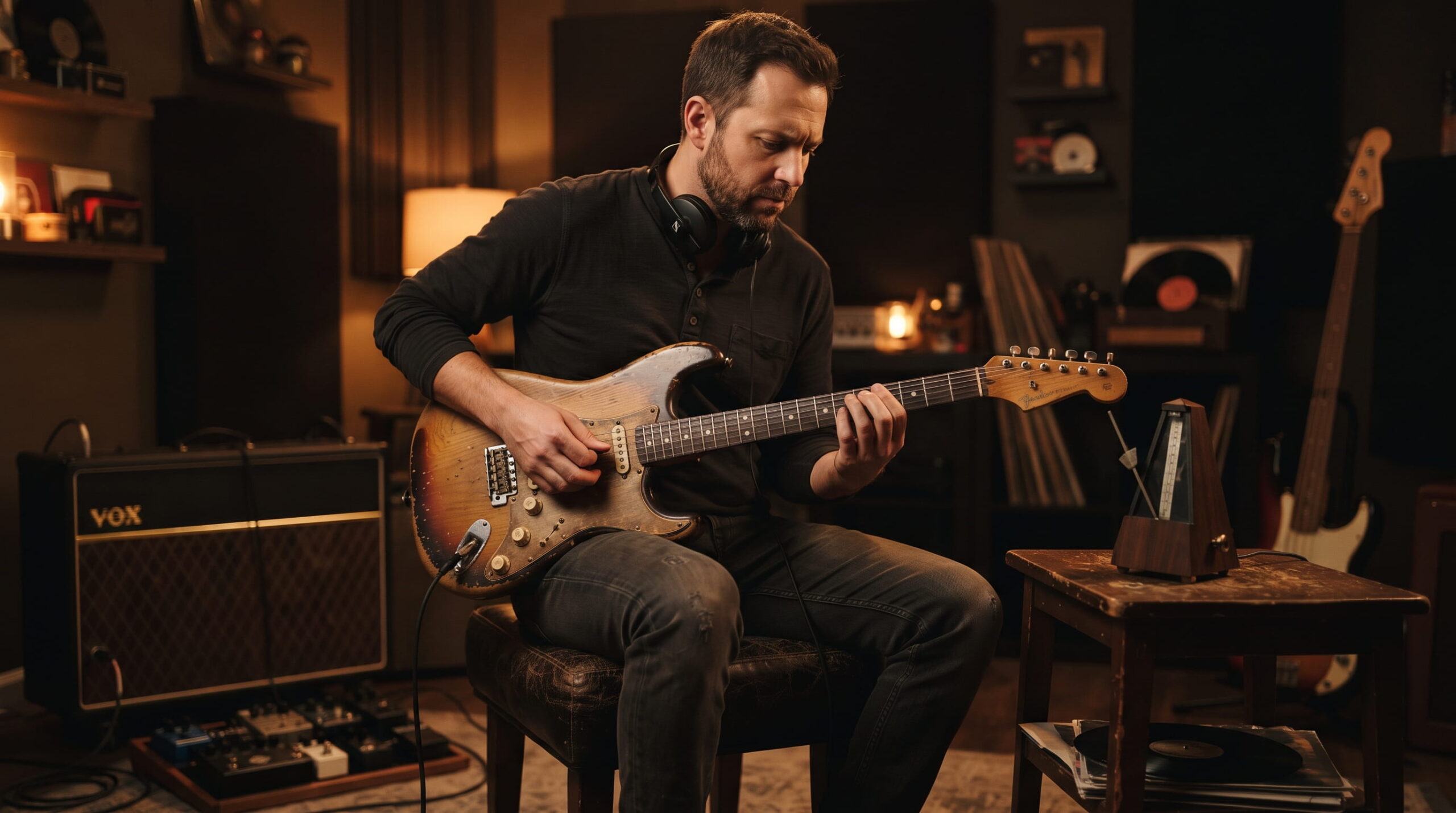
Metronome practice doesn’t have to feel repetitive. Try these simple ways to improve your timing, vary your exercises and keep practice sessions more engaging.